What Makes a Live Band Different From Other Entertainment Options
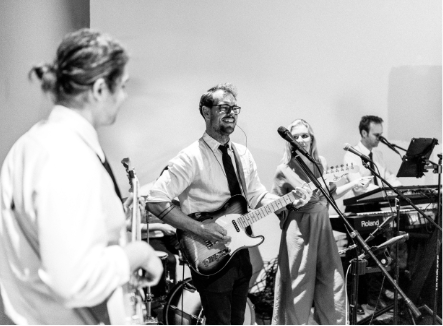
The most obvious difference between a live wedding band and other entertainment formats is the physical presence of musicians performing in real time. Sound produced live carries a different texture and energy than a recording, and audiences tend to respond to it more actively. This is part of why live wedding music is often described as feeling more "alive" than a curated playlist, even one built with care.
Beyond sound quality, live bands offer real-time responsiveness that recorded formats can't replicate. A skilled group can extend a popular song, shift into an unplanned encore, or adjust tempo based on how guests are reacting in the moment. This kind of on-the-fly adaptability helps keep a dance floor engaged in ways that a fixed set list simply cannot manage.
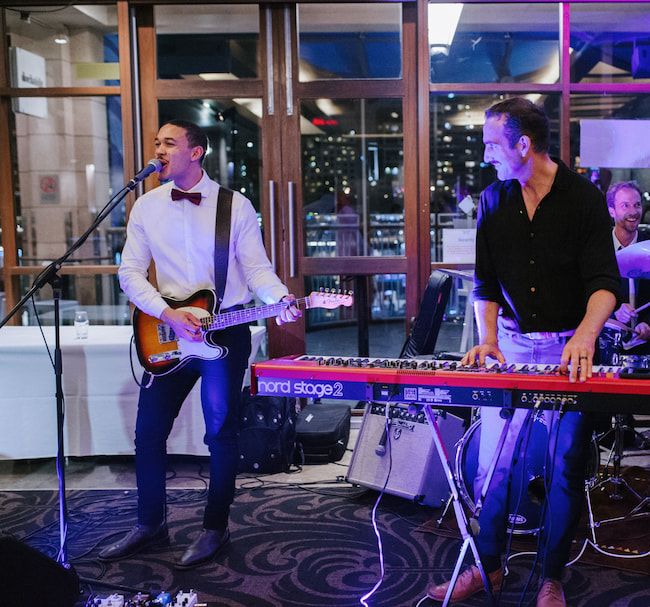
Visual presence also plays a role. A stage with instruments, vocalists, and coordinated performers adds a focal point to the reception space that contributes to the overall atmosphere, even for guests who aren't actively dancing. This visual element is part of the reason live wedding bands are often remembered as a highlight of the evening by guests long after the wedding itself.
There's also a personal quality to live performance that many couples value, particularly around meaningful moments like a first dance. Having musicians perform a chosen song live, rather than playing a track through speakers, often feels more intentional and tied to the moment rather than a generic reception detail happening in the background.
That said, live bands aren't the right fit for every couple or every budget, and it's worth being honest about that. They typically require more setup space, sound coordination with the venue, and a higher investment than some other entertainment formats. Groups like Red Soda Band work to make that investment worthwhile by delivering flexible, well-paced performances suited to Toronto wedding settings.
How Live Bands Handle Different Moments of a Wedding
A wedding reception moves through several distinct phases, and a live wedding band typically adjusts its approach for each one. During cocktail hour, the focus tends to shift toward lighter, conversation-friendly arrangements — music that fills the space warmly without demanding full attention, allowing guests to mingle comfortably as the celebration gets underway.
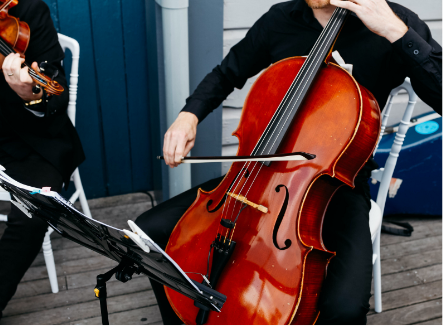
Dinner entertainment usually calls for a further step down in intensity. Soft instrumental or vocal arrangements work well here, providing ambiance without overpowering conversation at the tables. Many bands scale down their instrumentation during this segment, offering a more intimate sound that still feels distinctly live rather than background noise.
Once dinner wraps up and the reception shifts toward dancing, the band's energy typically increases substantially. This is where a live wedding band tends to show its full range — up-tempo songs, crowd favourites, and a set list built to keep the dance floor active. Reading the room becomes especially important here, since audience energy can shift quickly throughout the night.
First dance moments call for a different kind of attention entirely. Rather than energy, the priority shifts to precision — matching tempo, tone, and arrangement to a song that often carries significant personal meaning for the couple. Bands that rehearse these moments carefully tend to deliver a performance that feels genuinely tailored rather than generic.
Later transitions, such as moving from formal dinner entertainment into open dancing, are another place where a band's experience shows. Managing that shift smoothly, without an awkward lull in energy, is a skill that comes from performing at many receptions and understanding how Toronto wedding timelines typically unfold across an evening.
Questions to Ask Before Booking a Live Band
Before booking, couples should ask directly about a band's typical repertoire and how far they're willing to stretch beyond it. Some groups specialize heavily in one style, while others, such as Red Soda Band, aim for a broader range that spans decades and genres, giving couples more flexibility when building a set list that suits a mixed-generation guest list.
It's also worth asking how a band structures its performance schedule across a long event. Wedding entertainment often spans several hours with built-in breaks, and understanding how those breaks are handled — whether recorded music plays during downtime, for instance — helps set realistic expectations for how the reception will flow from start to finish.
Sound equipment is another important area to clarify. Ask whether the band brings its own sound system, how they adjust for different venue sizes, and whether they've performed in similar spaces before. This is especially relevant for outdoor Toronto wedding venues or spaces with challenging acoustics, where experience handling sound logistics really matters.
Couples should also ask how much creative input they'll have over the set list. Some bands prefer a collaborative approach, building a list around specific requests and audience preferences, while others rely more heavily on a tested formula. Understanding this upfront helps ensure the band's style matches what the couple actually envisions for their reception music.
Finally, it's reasonable to ask about contingency plans. What happens if a musician becomes unavailable close to the wedding date? Established bands usually have backup arrangements in place, and hearing how these situations are handled can offer real reassurance during the final stretch of planning before the big day.
Choosing the Right Band Size for Your Celebration
Band size is often one of the first practical questions couples face when comparing wedding live bands Toronto has to offer. Smaller ensembles, sometimes featuring three to five performers, work well for more intimate weddings or venues with limited stage space, while still delivering a genuinely live wedding performance with real depth and energy.
Larger receptions often call for a fuller lineup. Additional vocalists and instrumentalists add layers to the sound, which can help fill bigger rooms and support larger dance floors without the performance feeling thin during high-energy moments. Couples hosting large-scale GTA weddings often lean toward these bigger formations for this reason.
Versatility is another factor tied closely to band size. A group with multiple vocalists, for example, can often cover a wider stylistic range authentically, since different voices naturally suit different genres. This flexibility can make a noticeable difference in how varied and engaging a set list feels across several hours of performance.
Venue restrictions also shape this decision. Some Toronto wedding venues have limited stage areas or specific sound ordinances, particularly outdoor spaces or shared event locations. It's worth confirming these details with your venue early and communicating them clearly to any band you're considering, so expectations are aligned from the start.
Ultimately, the right size comes down to matching the band to the celebration itself, rather than assuming bigger is always better. A couple hosting a smaller, more personal gathering may prefer a tighter, more intimate ensemble, while those planning a larger event with an extended dance portion often benefit from a fuller group with greater range.
Building a Set List That Fits Your Guests
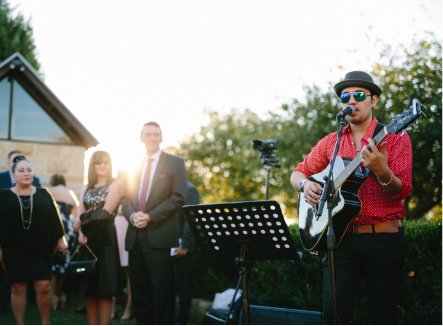
A strong set list usually starts with the moments that matter most personally — the first dance, parent dances, and any songs tied to specific memories. These selections often set the emotional tone for the rest of the evening, so it makes sense to identify them early in the planning process rather than leaving them until the final weeks.
Beyond personal picks, thinking about the broader guest list helps shape a set list that keeps people engaged. A mix spanning different decades tends to work well for weddings with a wide age range among guests, since older relatives and younger friends often respond to different eras of music throughout the reception.
Do-not-play lists matter just as much as favourites. If there are songs or genres a couple wants to avoid, sharing this clearly with the band ahead of time prevents awkward surprises and helps keep the evening's tone consistent with what the couple actually pictured for their wedding reception music.
Many bands work collaboratively during the planning process, combining a couple's specific requests with tested crowd favourites based on experience across many past receptions. This kind of back-and-forth typically results in a stronger overall flow than a purely request-driven list, since musicians understand pacing in ways that come from repeated performance experience.
It's also worth discussing flexibility directly with the band. Some couples prefer a tightly scripted set list, while others are comfortable letting musicians adjust in real time based on what's working in the room. Clarifying this preference early helps ensure the final performance matches the atmosphere the couple actually wants for their celebration.
Planning Logistics Around Live Entertainment
Timing is one of the most practical considerations when booking live entertainment for a Toronto wedding. Popular bands often book up months in advance, particularly for weekend dates during peak spring and summer wedding season, so couples with a confirmed date and venue should start reaching out to prospective bands as early as possible.
Venue logistics deserve early attention as well. Load-in access, available power sources, and stage or performance area size can all affect how a band sets up and performs. Sharing these details with your chosen band ahead of time helps avoid last-minute complications and ensures a smoother setup process on the wedding day itself.
Contracts should be reviewed carefully before signing. Understanding what's included — total performance time, scheduled breaks, equipment provided, and any potential overtime fees — helps prevent confusion later and ensures both the couple and the band are working from the same clear expectations for the event.
Coordination with other vendors also matters. A band experienced with Toronto weddings is typically comfortable working alongside photographers, planners, and venue coordinators to align musical cues with key moments like speeches, entrances, or cake cutting, helping the entire timeline run smoothly without unnecessary gaps.
Weather and venue type can also influence logistics, particularly for outdoor or partially outdoor celebrations. Bands need to know in advance whether they'll be performing outside, since this affects equipment choices and setup requirements. Discussing this early with your band avoids surprises as the wedding day approaches.
What Guests Remember Most About Live Wedding Entertainment
Guests often remember the energy of a reception more vividly than specific details like table settings or decor, and live music plays a significant role in shaping that energy. A band that reads the room well, building momentum gradually rather than forcing high energy too early, tends to leave a stronger overall impression by the end of the night.
Engagement between performers and guests also stands out in people's memories. Musicians who interact naturally with the crowd, whether through brief song introductions or genuine stage presence, create a more immersive experience than a band that simply performs through a set list without connecting to the room around them.
Variety across a performance also tends to stick with guests. Alternating between high-energy dance numbers and quieter, more intimate songs gives people moments to rest and reconnect before the energy builds again, creating a more memorable overall arc to the evening rather than a single unchanging intensity level.
Specific moments, like a well-executed first dance or an unexpected song that gets everyone onto the floor at once, often become the stories guests share afterward. These highlight moments are frequently what people associate most strongly with a wedding's atmosphere, long after other details have faded from memory.
Ultimately, the impression a live band leaves comes down to consistency paired with responsiveness — staying true to the couple's vision while adapting naturally to the guests in the room. Bands like Red Soda Band aim for that balance, delivering wedding entertainment that feels both personal and genuinely energetic throughout the celebration.